
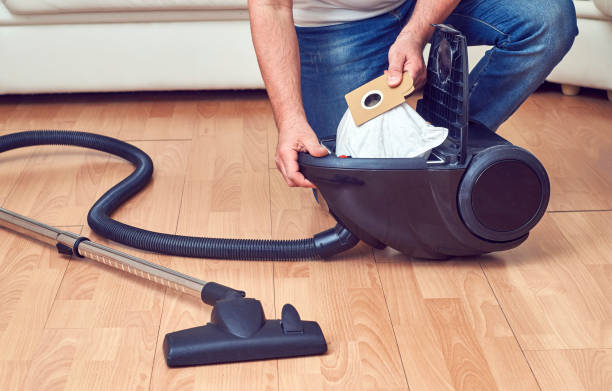
Ultimate Guide to Vacuum Cleaner Dust Bags
Are Vacuum Cleaner Dust Bags Worth It?
Many people wonder: Are vacuum cleaner dust bags worth it? Dust bag systems offer several advantages over bagless vacuums, making them a preferred choice for certain households.
Advantages of Vacuum Cleaner Dust Bags
- Better Dust Control: Dust bags trap fine particles more effectively, keeping the air cleaner.
- Less Exposure to Allergens: Ideal for allergy sufferers, as dust and debris are sealed inside the bag.
- Easier Disposal: Simply remove the bag and dispose of it without creating a mess.
When Dust Bags Are More Efficient
- Homes with high dust or pet hair levels, as bagged vacuums prevent clogging.
- Allergy-prone households, where minimizing dust exposure is critical.
- Long-term maintenance is easier because bags reduce wear on the vacuum motor.
Vacuum cleaner dust bags are worth it for cleaner air, easier maintenance, and better hygiene, especially in households concerned with dust and allergens.
How Vacuum Cleaner Dust Bags Work
Ever wondered how does a vacuum cleaner dust bag work? Dust bags are a crucial part of bagged vacuum systems, designed to trap dirt, dust, and allergens while allowing clean air to pass through.
How It Works
- The vacuum’s suction draws in dust, dirt, and debris from floors and carpets.
- Dirt is collected inside the bag, while air passes through filtration layers, preventing fine particles from escaping back into your home.
- This system keeps your home cleaner and protects the vacuum motor from dust buildup.
Types of Vacuum Cleaner Dust Bags
- Paper Bags: Disposable, affordable, and easy to replace.
- Cloth Bags: Reusable, durable, and environmentally friendly.
- HEPA Bags: High-efficiency bags that trap allergens and tiny particles, ideal for allergy sufferers.
Always choose the bag type compatible with your vacuum model for optimal performance and hygiene.
When to Replace Your Vacuum Cleaner Dust Bag
Knowing when should I replace my vacuum cleaner dust bag? is essential to maintain suction power, efficiency, and hygiene.
Signs It’s Time to Replace
- Full Bag: The bag is visibly filled with dust and debris.
- Decreased Suction: Vacuum struggles to pick up dirt as effectively as before.
- Strange Odors: Dust and dirt trapped in the bag produce unpleasant smells.
Recommended Replacement Frequency
- Paper Bags: Replace when full or after several uses, depending on household size.
- Cloth Bags: Empty regularly and replace when showing wear or reduced efficiency.
- HEPA Bags: Replace according to the manufacturer’s instructions to maintain optimal filtration.
Regularly checking and replacing your dust bag ensures maximum performance, longer vacuum life, and cleaner indoor air.
| Anex AG-2093 Deluxe Vacuum Cleaner |
| Anex AG-2097 Deluxe Vacuum Cleaner |
| Anex AG-2098 Deluxe Vacuum Cleaner |
| Anex AG-2099EX Deluxe Vacuum Cleaner |
| Anex AG-2199 Deluxe Vacuum Cleaner |
Alternatives to Vacuum Cleaner Dust Bags
If you’re wondering what can I use instead of a vacuum cleaner bag?, there are several alternatives to traditional dust bags that may suit your needs.
Reusable Dust Containers
- Many modern bagless vacuums use reusable dust containers that can be emptied after each use.
- Pros: Cost-effective over time, environmentally friendly.
- Cons: Requires frequent cleaning and careful handling to avoid dust exposure.
DIY Options
- Some users improvise with cloth or paper liners to catch debris inside bagless vacuums.
- Pros: Temporary solution, low cost.
- Cons: Not as effective as proper dust bags, may reduce suction or damage the vacuum.
Pros and Cons of Using Alternatives
- Pros: Reusable containers reduce waste and recurring costs; DIY options provide emergency solutions.
- Cons: May compromise filtration efficiency, increase dust exposure, or shorten vacuum lifespan.
For optimal performance and hygiene, it’s recommended to use vacuum cleaner bags designed specifically for your model.
How to Make a Homemade Vacuum Cleaner Bag
If you’re curious how to make a homemade vacuum cleaner bag?, here’s a safe and simple DIY guide.
Materials Required
- Paper bags (thick and durable) or cloth fabric
- HEPA or fine filters (optional, for better dust trapping)
- Tape or staples to secure edges
- Scissors
Step-by-Step Guide
- Measure Your Vacuum Compartment: Check the size of your vacuum’s dust chamber to cut the bag accordingly.
- Prepare the Material: Cut paper or cloth to the measured size, leaving extra for folding edges.
- Add Filtration: If using a filter, layer it inside the bag for better dust retention.
- Secure the Bag: Fold edges and use tape or staples to prevent gaps.
- Insert the Bag: Place the homemade bag inside the vacuum securely, ensuring a snug fit.
Safety Tips
- Do not overfill the bag, as it may reduce suction or damage the vacuum.
- Use non-toxic, durable materials to avoid tearing and dust leakage.
- Regularly inspect and replace the bag to maintain optimal performance.
Homemade bags are a temporary solution; for consistent efficiency and hygiene, consider using official vacuum cleaner dust bags recommended by the manufacturer.
What Not to Put in a Vacuum Cleaner Dust Bag
To keep your vacuum cleaner efficient and safe, it’s important to know what not to put in a vacuum cleaner dust bag? Some items can damage the bag, the vacuum motor, or even create hazards.
Items to Avoid
- Liquids: Water, juice, or other liquids can damage the vacuum motor and reduce suction efficiency.
- Large Debris or Sharp Objects: Stones, screws, or sharp toys can tear the dust bag and damage internal components.
- Food Items That Attract Pests: Crumbs, rice, or sugar can lead to mold growth or attract insects over time.
Always use the vacuum for dry, small particles unless your model is specifically designed for wet cleaning. Proper usage ensures longer vacuum life and better indoor hygiene.
Disadvantages of Vacuum Cleaner Dust Bags
Many people ask, what are the disadvantages of vacuum cleaner bags? While dust bags provide excellent filtration and convenience, they also have some drawbacks.
Common Disadvantages
- Cost of Replacement Bags: Unlike bagless systems, you need to regularly purchase new bags, which can add up over time.
- Reduced Suction if Full: A full dust bag can decrease the vacuum’s efficiency and require more frequent replacement.
- Environmental Concerns: Disposable bags contribute to waste, making them less eco-friendly than reusable or bagless alternatives.
Tip: To minimize drawbacks, always use the correct bag for your vacuum model and replace it before it’s completely full.
Hygiene and Odor Management for Vacuum Cleaner Bags
Maintaining cleanliness and controlling odors in vacuum cleaner bags is essential for efficient vacuuming and a fresh-smelling home.
Can Bacteria Grow in Vacuum Sealed Bags?
Keyword: Can bacteria grow in vacuum sealed bags?
- Conditions for Bacterial Growth: Moisture, food particles, and warm environments can promote bacterial growth inside a vacuum bag.
- Prevention Tips: Always vacuum dry areas, replace or empty bags regularly, and avoid picking up liquids.
How to Keep a Vacuum Cleaner Bag Smelling Fresh
Keyword: How to keep a vacuum cleaner bag smelling fresh?
- Sprinkle baking soda inside the bag to neutralize odors.
- Use a few drops of essential oils for a pleasant scent.
- Replace bags regularly to prevent long-term odor buildup.
How to Make Your Vacuum Smell Good While Vacuuming
Keyword: How to make your vacuum smell good while vacuuming?
- Use vacuum-safe air fresheners or scented beads.
- Place a scented pad or cloth near the intake vent to disperse fragrance during cleaning.
- Keep the vacuum bag clean and free from old debris.
What is the Best Enzyme Cleaner for Vacuum Bags?
Keyword: What is the best enzyme cleaner for vacuum bags?
- Enzyme cleaners like Nature’s Miracle or Simple Green can help break down organic residues inside the bag.
- Follow manufacturer instructions to avoid damaging the vacuum.
- Use enzyme sprays sparingly on reusable bags for odor and bacteria control.
How to Remove Strong Odor from a Vacuum Cleaner Bag
Keyword: How to remove strong odor from a vacuum cleaner bag?
- Cleaning Tips: Sprinkle baking soda or use mild vinegar solutions on reusable bags.
- DIY Solutions: Place a dryer sheet or small charcoal pouch inside the bag.
- Replacement: If odors persist, replace the bag for optimal hygiene and performance.
Conclusion
Vacuum cleaner dust bags offer efficient dust collection, better hygiene, and easier disposal compared to bagless systems. By understanding how they work, when to replace them, and proper maintenance techniques, you can extend the life of your vacuum and keep your home cleaner.
Regularly replacing or cleaning your dust bags ensures optimal suction, reduces odors, prevents bacterial growth, and maintains indoor air quality. Following these tips allows you to maximize the benefits of vacuum cleaner dust bags while keeping your home fresh, healthy, and allergen-free.



Add comment