
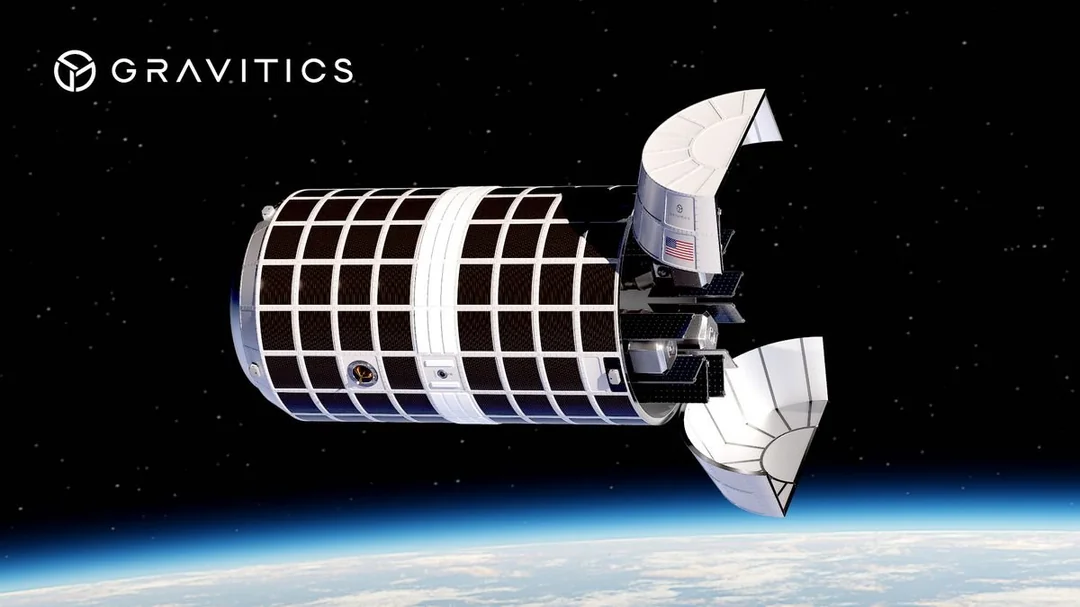
Space Force Orbital Warship Carrier
From the days of naval fleets ruling the seas to air forces dominating the skies, the evolution of military technology has always been about pushing the boundaries of defense and exploration. Today, as nations set their sights beyond Earth’s atmosphere, warfare and defense strategies are entering a new frontier — space.
The idea of a Space Force orbital warship carrier represents the next leap in military innovation — a massive spacecraft designed to operate in orbit, capable of deploying smaller ships, drones, or defense units in space. This futuristic concept blends aerospace engineering, AI-driven defense systems, and orbital logistics into one powerful symbol of next-generation warfare.
With growing public curiosity about questions like “Does the U.S. Space Force have spaceships?” or “What exactly is an orbital carrier?”, this topic explores the emerging vision of space-based military operations and what it could mean for the future of global security.
What Is an Orbital Carrier?
An orbital carrier is a large spacecraft designed to carry, deploy, and support smaller ships, satellites, or drones in Earth’s orbit. Think of it as the space equivalent of a naval aircraft carrier — but instead of launching fighter jets over the sea, it releases spacecraft and defense systems into the vastness of space.
In simple terms, an orbital carrier acts as a mobile base in space, capable of housing crew members, repair facilities, weapon systems, and launch bays for orbital operations. Its primary goal is to extend the range and capabilities of space missions, especially for defense and surveillance purposes.
In modern military strategy, the orbital carrier fits into the concept of space-based defense and rapid-response systems. It could serve as a command hub for satellite coordination, missile defense, and even interplanetary communication. By maintaining such carriers in orbit, a Space Force could ensure constant readiness — protecting national assets in space and deterring potential threats before they reach Earth’s surface.
The Role of the US Space Force in Space Defense

The United States Space Force (USSF), established in 2019, is the newest branch of the U.S. military, dedicated entirely to defending national interests in space. Its primary mission is to protect U.S. satellites, communication networks, and strategic assets that are vital for global defense, navigation, and intelligence operations.
While the Space Force doesn’t currently operate spaceships or manned orbital carriers, it plays a crucial role in research, coordination, and technological innovation that could one day make such systems a reality. Instead of warships, the Space Force currently focuses on satellite launches, missile warning systems, and space surveillance through advanced programs managed in collaboration with NASA and private aerospace companies like SpaceX, Boeing, and Lockheed Martin.
Several prototype projects and technological studies are underway that explore orbital logistics, autonomous satellite defense, and reusable spacecraft systems. These innovations are shaping the foundation for what could eventually become a space-based defense fleet — potentially including orbital carriers and unmanned combat spacecraft.
In essence, the Space Force serves as the strategic command for all U.S. space operations, ensuring that the nation remains prepared for the rapidly evolving era of space militarization and inter-orbital defense.
From Aircraft Carriers to Orbital Carriers: A Technological Leap
Aircraft carriers changed the face of modern warfare by allowing nations to project power far beyond their borders. These massive ships serve as floating airbases, capable of launching and recovering aircraft anywhere in the world’s oceans. They revolutionized sea warfare by combining mobility, firepower, and defense coordination in a single platform — a concept that has defined global military dominance for decades.
Now, humanity stands at the brink of another leap — taking carriers into orbit. An orbital carrier would act as the space equivalent of an aircraft carrier, deploying smaller spacecraft, satellites, or drones directly into Earth’s orbit or beyond. This innovation could redefine military strategy, allowing rapid response to space threats, satellite defense, or even asteroid mining protection missions.
However, the technological and logistical challenges are immense. In the vacuum of space, engineers must overcome obstacles such as:
- Gravity and propulsion: Launching and maintaining such a massive structure in orbit would require advanced ion drives or nuclear propulsion systems.
- Docking and refueling: Safe docking procedures and on-orbit refueling would be essential for sustained operations.
- Re-entry logistics: Returning ships, cargo, or crew safely through Earth’s atmosphere demands precise heat shielding and navigation control.
- Energy management: Operating large systems in space requires efficient solar or fusion-based power sources.
Despite these hurdles, the transition from ocean-based carriers to orbital ones represents the next frontier of defense technology — a move from dominating the seas to commanding the stars.
Strategic Significance of Space Force Orbital Warship Carriers
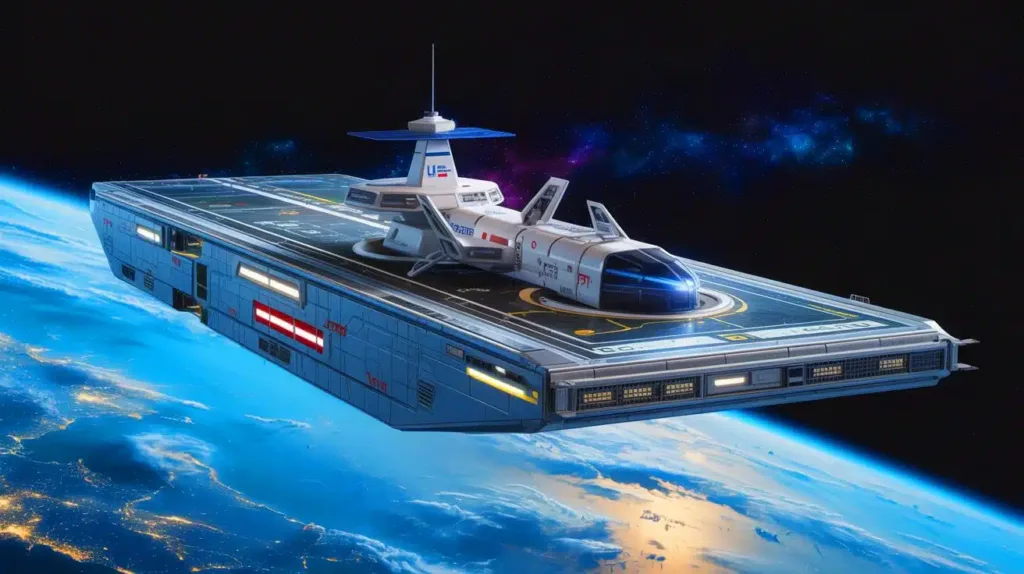
The concept of Space Force orbital warship carriers represents a monumental shift in global defense strategy. Just as naval carriers once secured dominance over the oceans, orbital carriers could become the ultimate platforms for controlling near-Earth space — the new high ground in warfare and intelligence.
1. Enhancing Space Security
An orbital carrier would serve as a central command base in orbit, capable of monitoring and responding to threats in real time. It could deploy defense satellites, unmanned drones, or interceptor ships to protect vital space assets such as communication and navigation satellites. By maintaining a permanent presence in space, these carriers could ensure continuous surveillance and rapid response against enemy incursions or space debris threats.
2. Defense and Satellite Protection
In modern warfare, satellites are as critical as aircraft — they provide navigation (GPS), intelligence, and communication links. A hostile attack on satellites could cripple entire defense networks. Orbital warship carriers would act as guardians of orbital assets, capable of deploying countermeasures, repair drones, or shield arrays to defend satellites from both kinetic and cyber attacks.
3. Global Surveillance and Intelligence
Equipped with advanced AI-driven reconnaissance systems, orbital carriers could oversee global activity from orbit, detecting missile launches, cyber operations, or unusual atmospheric events. This level of persistent, all-directional surveillance would redefine intelligence gathering — offering unmatched visibility and predictive defense capabilities.
4. Space Combat and Deterrence
While still theoretical, the idea of space combat is rapidly evolving. Orbital warship carriers could one day host laser-based weapons, kinetic interceptors, or electronic warfare systems designed to disable enemy spacecraft or protect national assets. Their mere existence would serve as a powerful deterrent, signaling technological superiority and readiness in any geopolitical conflict extending into space.
Challenges and Ethical Concerns
While the idea of a Space Force orbital warship carrier represents a groundbreaking advancement in defense, it also raises serious challenges and ethical questions about the future of space militarization and international peace.
1. Space Militarization and Global Treaties
Space has long been regarded as a peaceful domain under international agreements such as the 1967 Outer Space Treaty, which prohibits the deployment of weapons of mass destruction in orbit. However, as nations compete for dominance beyond Earth’s atmosphere, the line between defensive technology and weaponization becomes increasingly blurred. Developing orbital warship carriers could spark a new arms race in space, challenging decades of diplomatic efforts to maintain neutrality and cooperation in orbit.
2. Technical, Political, and Financial Obstacles
Building and maintaining a functioning orbital carrier would require unprecedented technological breakthroughs — from propulsion systems to radiation shielding and long-term sustainability. The estimated cost could exceed $18 billion or more, rivaling the budgets of entire space programs.
Politically, such a project would need global coordination and transparency, yet defense secrecy and national interests often complicate international collaboration. Even within the U.S., justifying the enormous expense for a project that is partly experimental would pose a major budgetary and political hurdle.
3. Risks of Weaponizing Space
Turning space into a battlefield comes with high ethical risks. Any conflict in orbit could lead to massive space debris, endangering civilian satellites, astronauts, and future missions. A single destroyed satellite can create a cascade of debris, known as the Kessler Syndrome, potentially rendering sections of orbit unusable for decades.
Moreover, the weaponization of space might trigger global instability, prompting other nations to develop similar systems in self-defense — escalating tensions instead of ensuring peace.
The Future of Space-Based Military Carriers
As we look toward 2030 and beyond, the idea of space-based military carriers—once the domain of science fiction—may become a strategic reality. With advancements in aerospace engineering, artificial intelligence, and nuclear propulsion, nations are moving closer to deploying large, multi-functional vessels capable of operating in Earth’s orbit and beyond.
1. 2030+ Advancements in Orbital Warship Technology
By the next decade, we may witness the emergence of autonomous orbital carriers equipped with AI-driven defense systems, laser-based weaponry, and satellite deployment bays. These carriers could support everything from cyber-defense satellites to anti-missile shields, redefining what military presence means in outer space.
New propulsion systems, such as ion thrusters or compact fusion reactors, might enable carriers to maneuver efficiently in orbit or even travel between planets for extended missions.
2. The Global Competition for Space Dominance
Major powers—including the United States, China, Russia, and members of the European Union—are already investing heavily in space defense infrastructure. What began as satellite-based surveillance could soon evolve into orbital fleets designed to protect national assets, ensure communication security, and deter adversaries.
However, as each nation strives for strategic advantage, the race for space dominance may intensify, mirroring the Cold War arms race—this time among the stars.
3. International Collaboration and Conflict Prevention
Despite competitive ambitions, there’s growing recognition of the need for collaboration to prevent orbital conflict. Future treaties could focus on defining limits for military use of space, encouraging shared defense technologies, and promoting transparency between nations.
The creation of international space defense councils or joint orbital monitoring programs could become essential to maintaining peace. Space might then serve not as a theater of war, but as a platform for collective security and scientific progress.
Conclusion
The idea of Space Force orbital warship carriers marks a bold step in the evolution of defense — from naval dominance on the seas to strategic superiority in space. These massive orbital platforms could serve as command hubs, defense shields, and rapid-response units in the next era of warfare.
However, as the line between exploration and militarization blurs, the world faces a crucial choice: to pursue innovation responsibly or risk turning space into a new battlefield. The Space Force’s orbital carrier concept symbolizes both extraordinary potential and profound responsibility — a reminder that the future of defense must be guided not only by power and technology but also by wisdom and global cooperation.
FAQs
What is an orbital carrier?
An orbital carrier is a large spacecraft designed to operate in Earth’s orbit, capable of carrying and deploying smaller ships, drones, or satellites. Much like an aircraft carrier at sea, it would act as a mobile command base — but instead of jets, it would manage space vehicles and defense systems.
Does Space Force have spaceships?
Currently, the U.S. Space Force does not have crewed spaceships or orbital carriers. However, it operates and monitors advanced satellites and works closely with NASA, SpaceX, and other agencies to develop next-generation space defense technologies. Prototypes and conceptual designs for future spacecraft are under consideration.
Why can’t an F-22 land on an aircraft carrier?
The F-22 Raptor wasn’t designed for carrier-based operations. Unlike Navy jets such as the F/A-18, it lacks tail hooks, reinforced landing gear, and folding wings — features essential for carrier takeoffs and landings. The F-22 is primarily built for Air Force use on land-based runways.
What is the $18 billion aircraft carrier?
The USS Gerald R. Ford (CVN-78) is often referred to as the $18 billion aircraft carrier, making it the most expensive warship ever built. It represents the pinnacle of naval engineering — and a glimpse into the scale of investment required if humanity were to build similar large-scale carriers for space.
What is the future of space-based military carriers?
In the future, space-based military carriers could become the backbone of orbital defense. They might serve multiple functions — launching satellites, managing drone fleets, or even hosting laser-based defense systems. Whether for deterrence or protection, these carriers could redefine military presence beyond Earth’s atmosphere.






Add comment