
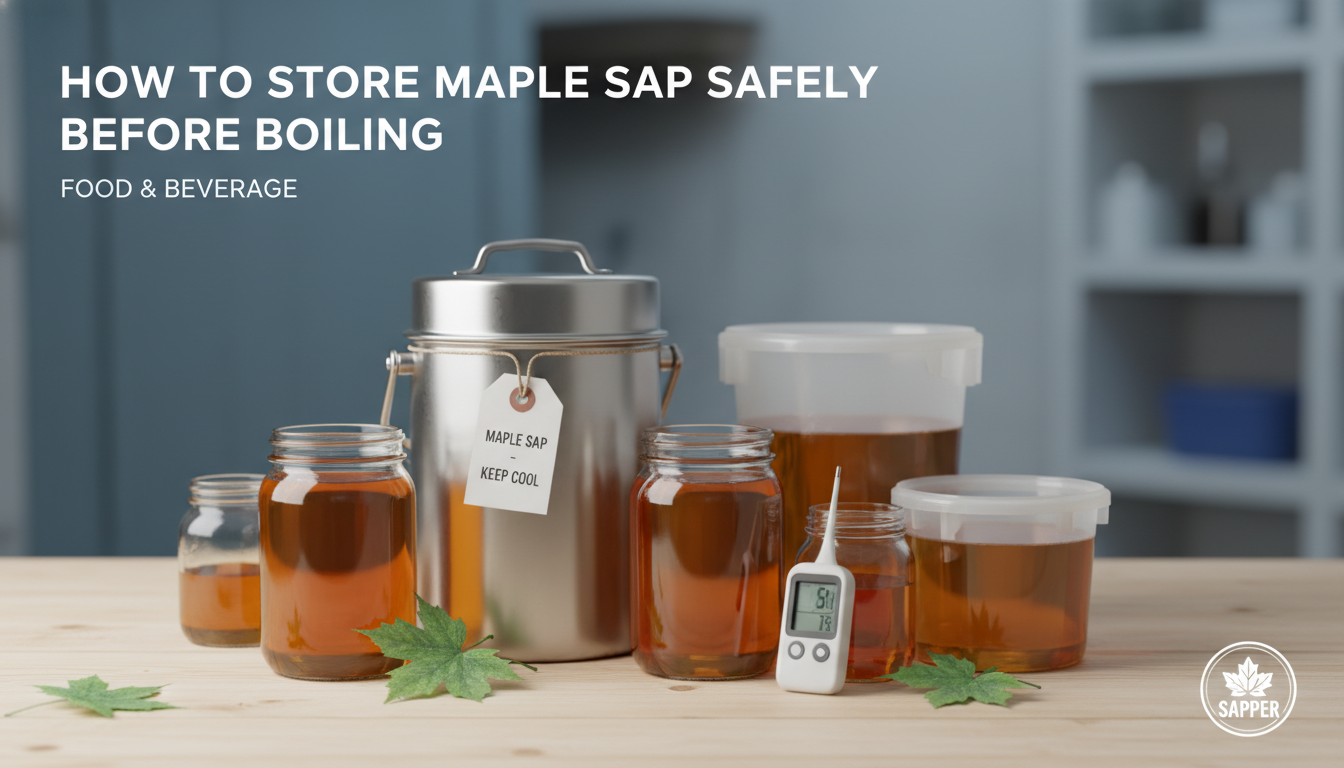
How to Store Maple Sap Safely Before Boiling: A Complete Guide
Introduction: The Importance of Proper Maple Sap Storage
Producing high-quality maple syrup begins long before boiling. Proper maple sap storage is a critical step that often goes overlooked, yet it significantly impacts the final product. Understanding how to store sap correctly ensures a delicious, marketable syrup.
Maple sap is a delicate natural ingredient, highly susceptible to spoilage. Improper storage can lead to bacterial growth, flavor degradation, and ultimately, a wasted effort. This guide will explain why effective sap storage is essential and the consequences of neglecting this vital process.
Why Sap Storage Matters
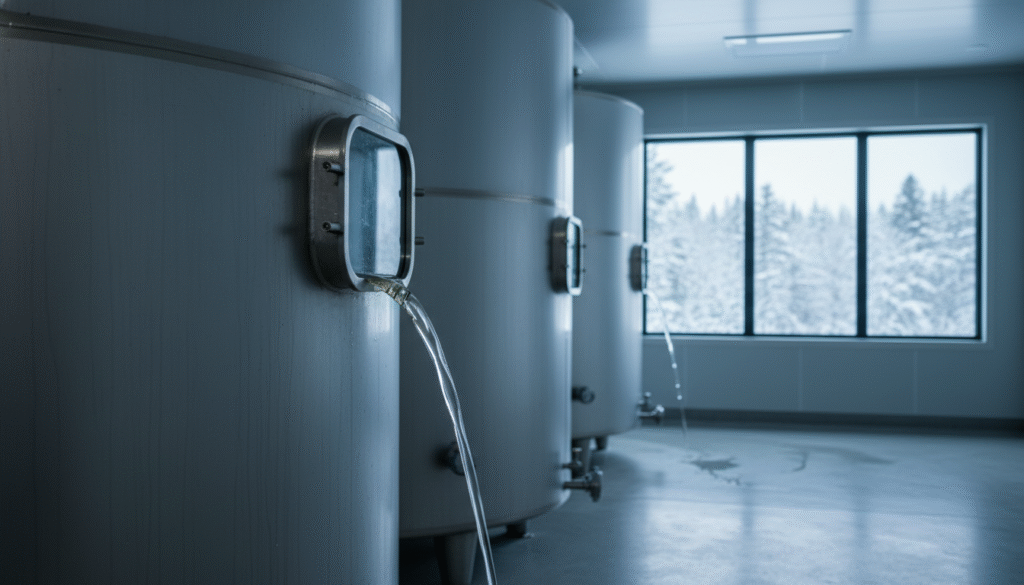
Effective sap storage is fundamental for every maple producer, from hobbyists to commercial operations. It directly influences the taste, quality, and quantity of the syrup you can produce. Maintaining sap integrity ensures your hard work translates into a superior product.
This crucial step prevents costly issues down the line, preserving the natural sweetness and purity of the sap. Therefore, prioritizing proper storage methods is an investment in your syrup’s success.
Preventing Spoilage and Bacteria Growth
Raw maple sap contains natural sugars that can quickly become a breeding ground for microorganisms. Proper storage, primarily through refrigeration or cooling, slows bacterial activity. This prevents the sap from fermenting or developing off-flavors before it reaches the evaporator.
Preserving Sugar Content and Flavor
Bacteria consume the natural sugars in sap, which reduces the overall sugar concentration. This means more sap is needed to produce a gallon of syrup. Effective storage protects the sap’s inherent sweetness and delicate maple flavor, ensuring a rich and authentic taste.
Maximizing Syrup Quality
The quality of the final maple syrup directly reflects the quality of the sap used. Fresh, well-preserved sap yields clear, delicious syrup with excellent color and taste. Conversely, compromised sap results in inferior syrup that may be darker, cloudier, or have undesirable flavors.
What Happens if Sap Isn’t Stored Correctly?
Failing to store maple sap properly can lead to several undesirable outcomes, impacting both the quality of your syrup and the efficiency of your operation. These issues can quickly diminish your yield and waste valuable time and resources. Understanding these risks highlights the importance of diligent storage practices.
Sour Sap and Off-Flavors
When sap is not kept cold, bacteria multiply rapidly, causing it to ferment and turn “sour.” This leads to unpleasant off-flavors in the final syrup, such as a buddy, metallic, or moldy taste. Such syrup is often unsaleable and undesirable for consumption.
Reduced Yield and Wasted Effort
Bacterial activity in improperly stored sap consumes its natural sugars. This reduces the sap’s sugar concentration, meaning you must boil more sap for the same amount of syrup. Consequently, this leads to a lower yield, wasted time, increased fuel costs, and ultimately, a less profitable endeavor.
Understanding Maple Sap: A Delicate Resource
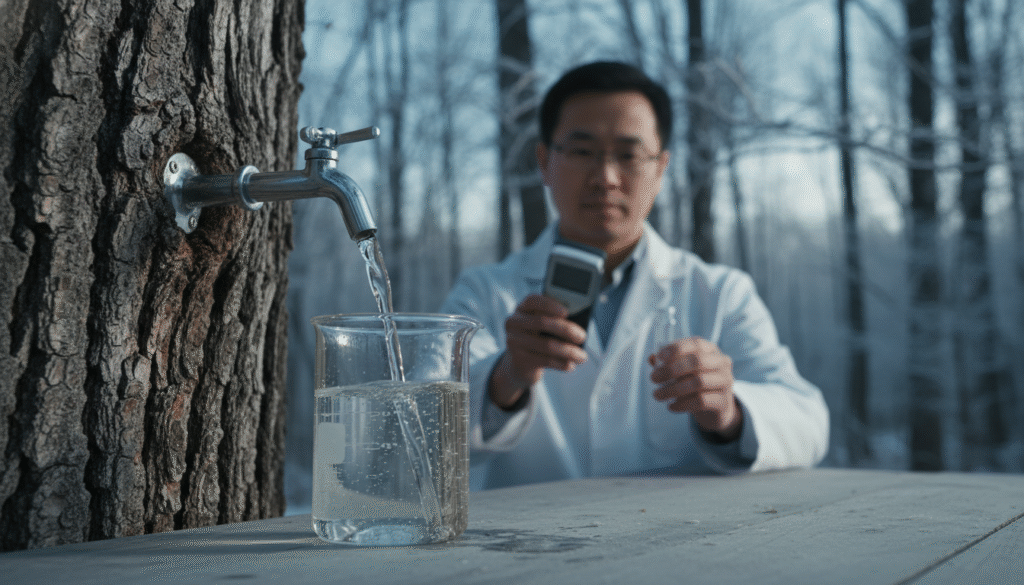
Maple sap is a precious natural resource, essential for producing maple syrup. It flows from maple trees during specific times of the year, carrying vital nutrients. This clear liquid is more than just water; it is a complex biological solution.
However, maple sap is also highly perishable. Its delicate composition makes it susceptible to degradation. Understanding the factors that cause spoilage is crucial for producers to maintain its quality. This knowledge ensures proper handling and storage methods are implemented.
Sap Composition and Spoilage Factors
Maple sap consists primarily of water, along with natural sugars and trace minerals. This unique blend makes it a rich, yet unstable, medium. Various environmental and biological factors can quickly lead to its spoilage, impacting the final syrup quality.
Water, Sugars, and Trace Minerals
Maple sap is about 97-98% water. The remaining 2-3% consists mainly of sucrose, a natural sugar. Additionally, it contains small amounts of minerals, amino acids, and organic acids. This sugary water provides an ideal environment for microbial growth if not handled correctly.
Microorganisms (Yeast, Bacteria, Mold)
The most significant cause of sap spoilage is microbial activity. Naturally occurring yeasts, bacteria, and molds thrive in the sap’s sugar-rich environment. These microorganisms consume the sugars, converting them into alcohol or lactic acid, which alters the sap’s flavor and color.
Temperature and Light Sensitivity
Maple sap is highly sensitive to both temperature and light. Warmer temperatures accelerate microbial growth, leading to rapid spoilage. Exposure to direct sunlight can also promote bacterial activity and cause undesirable chemical changes. Therefore, environmental control is vital for preservation.
Ideal Conditions for Sap Freshness
Maintaining the freshness of maple sap is paramount for producing high-quality maple syrup. Proper storage conditions prevent microbial contamination and slow down natural degradation. Adhering to specific environmental controls is critical from collection to processing.
Cold Temperatures are Key
Storing maple sap at cold temperatures significantly inhibits microbial growth. Ideally, sap should be kept just above freezing, between 33-38°F (0.5-3.3°C). This low temperature slows down the metabolic processes of yeasts and bacteria, preserving the sap’s quality.
Darkness and Cleanliness
Darkness helps prevent light-induced chemical reactions and reduces microbial activity. Storing sap in opaque containers or a dark environment is beneficial. Moreover, strict cleanliness practices are essential to minimize initial microbial load. All collection and storage equipment must be thoroughly cleaned and sanitized.
Essential Equipment for Safe Sap Storage
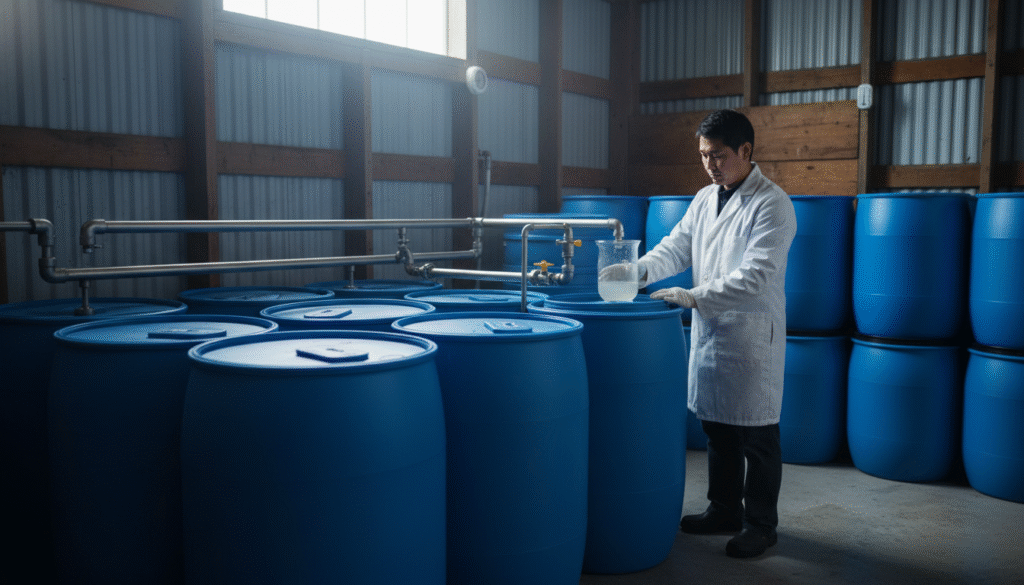
Ensuring successful maple syrup production starts with proper sap collection and handling. Essential equipment is crucial for maintaining the quality and safety of your sap. This includes selecting appropriate containers, implementing rigorous cleaning practices, and setting up suitable storage environments.
Following these guidelines for safe sap storage prevents spoilage. It also preserves the natural sugars and flavors of the sap. Therefore, investing in the right tools and methods is paramount for any maple producer.
Choosing the Right Containers
Selecting the correct containers is fundamental for safe sap storage. The material of your storage vessels directly impacts sap quality. Poor choices can introduce contaminants, affecting both flavor and safety.
Always prioritize food-grade materials to prevent chemical leaching. Moreover, consider container design for ease of handling and sanitation. Proper container selection is the first step in protecting your valuable sap.
Food-Grade Materials (HDPE, Stainless Steel)
Always use food-grade materials for sap storage. High-Density Polyethylene (HDPE) plastic and stainless steel are excellent choices. These materials are non-reactive and will not leach harmful chemicals into the sap. They are also durable and easy to clean, ensuring sap remains pure.
Avoid Galvanized Metal, Copper, and Non-Food-Grade Plastics
Never use galvanized metal, copper, or non-food-grade plastics for sap storage. Galvanized containers can leach zinc into the sap, creating an off-flavor. Copper can also react with sap, leading to undesirable tastes. Non-food-grade plastics may contain chemicals that contaminate the sap.
Size and Accessibility Considerations
Consider the size and accessibility of your containers. Choose sizes that are manageable for transport and cleaning. Larger containers are efficient for bulk storage, but smaller ones offer more flexibility. Ensure containers have wide openings for easy cleaning and inspection.
Cleaning and Sanitizing Procedures
Thorough cleaning and sanitizing are vital for safe sap storage. Unclean containers introduce bacteria and yeast. These microorganisms can rapidly ferment and spoil the sap. Proper hygiene extends the shelf life of your sap significantly.
Implementing a consistent cleaning routine prevents contamination. This process ensures your sap remains fresh and suitable for processing. Therefore, never skip these crucial steps before and after each use.
Importance of Thorough Cleaning
Thorough cleaning removes any residues or microorganisms from previous use. Even small amounts of contaminants can multiply quickly, leading to spoilage. This step is critical for maintaining sap quality and preventing souring. It also ensures consistent flavor in your final product.
Recommended Cleaning Agents (e.g., Bleach Solution, Food-Grade Sanitizers)
Use appropriate cleaning agents for effective sanitization. A diluted bleach solution (one part bleach to 20 parts water) is effective. Alternatively, food-grade sanitizers are available and safe for sap contact. Always follow the manufacturer’s instructions for proper dilution and contact time.
Rinsing and Drying
After cleaning and sanitizing, rinse containers thoroughly with clean water. This removes any residue from cleaning agents. Afterward, allow containers to air dry completely. Proper drying prevents the growth of mold or mildew, which can thrive in moist environments.
Storage Locations and Setup
The right storage location is essential for preserving sap quality. Cold temperatures slow bacterial growth and fermentation. A well-chosen area minimizes temperature fluctuations. This helps maintain the sap’s freshness for longer periods.
Consider factors like temperature, air circulation, and protection from pests. Proper setup ensures optimal conditions for your sap. Therefore, selecting an ideal storage environment is a key aspect of safe sap storage.
Cold Storage Areas (Unheated Garage, Shed, Cold Room)
Store sap in consistently cold environments. Unheated garages, sheds, or dedicated cold rooms are ideal. The temperature should ideally be just above freezing, between 34-38°F (1-3°C). Consistent cold temperatures inhibit microbial growth and keep sap fresh.
Keeping Containers Off the Ground
Always keep sap containers elevated off the ground. Placing them on pallets or shelves improves air circulation around the containers. This helps maintain a stable temperature. Moreover, it protects sap from ground contaminants and potential pests.
Ventilation Needs
Ensure the storage area has adequate ventilation. Good airflow helps to dissipate any humidity. It also prevents the buildup of stagnant air. Proper ventilation contributes to a consistently cool and dry environment, further safeguarding your stored sap.
Best Practices for Storing Maple Sap
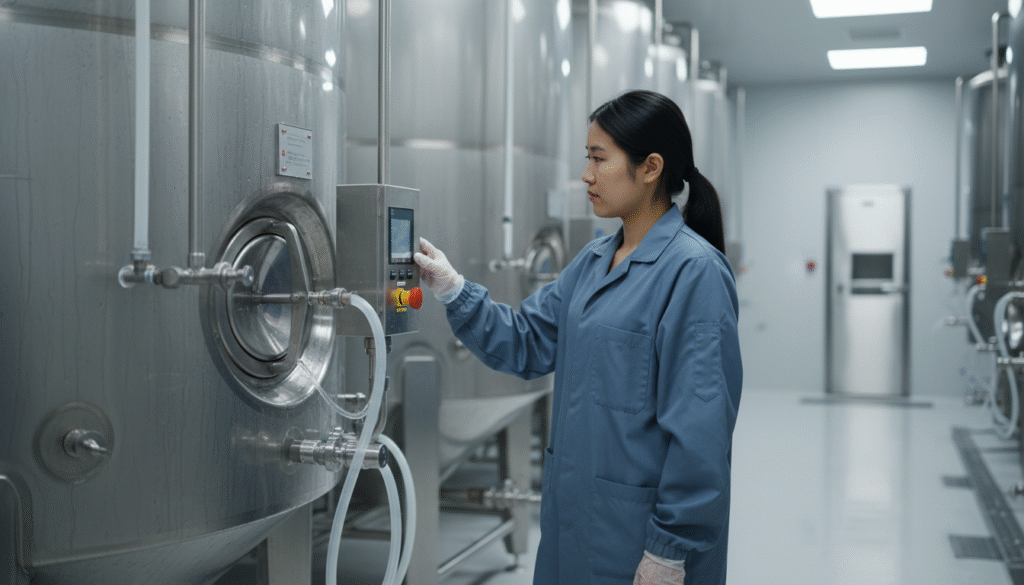
Properly storing maple sap is crucial for producing high-quality maple syrup. Incorrect storage can lead to spoilage, affecting both the taste and safety of your final product. Following best practices ensures your collected sap remains fresh until it’s time for boiling.
This section provides actionable advice on maintaining optimal temperatures, understanding storage limits, preventing contamination, and identifying any signs of spoilage. Adhering to these guidelines will help preserve the natural sweetness and purity of your maple sap.
Temperature Control: The Golden Rule
Temperature is the single most critical factor in preserving maple sap. Keeping sap cold significantly slows down microbial growth, which is the primary cause of spoilage. Maintaining a consistent low temperature ensures the sap remains fresh and ready for processing.
Fluctuations in temperature can accelerate degradation, impacting the overall quality of your future maple syrup. Therefore, diligent temperature control is non-negotiable for successful maple sap storage.
Maintaining Below 38°F (3°C)
The ideal temperature for storing maple sap is consistently below 38°F (3°C). This low temperature inhibits the growth of bacteria and yeast that can ferment the sugars in the sap. Keeping the sap chilled maintains its pristine quality.
Aim for temperatures just above freezing. This prevents the sap from freezing solid, which can damage containers, while still effectively preserving its freshness for an extended period.
Utilizing Natural Cold (Snow, Ice)
Leverage natural cold sources whenever possible. Placing sap containers directly in snowbanks or surrounding them with ice can effectively maintain low temperatures. This method is particularly useful in early spring.
Ensure containers are sealed to prevent snow or ice from contaminating the sap. This natural refrigeration is an excellent, cost-effective way to keep large volumes of sap cold before boiling.
Monitoring Temperature (Thermometers)
Regularly monitor the temperature of your stored maple sap using a reliable thermometer. This vigilance ensures that temperatures remain within the safe range. Any significant rise indicates a potential risk of spoilage.
Place thermometers directly into representative sap containers or in the storage area. Consistent monitoring allows for quick adjustments, safeguarding your valuable sap supply.
Duration of Storage
Maple sap has a limited shelf life, even under ideal conditions. Understanding these limits is essential to plan your boiling schedule effectively. The duration of storage directly impacts the sap’s quality.
Several factors influence how long sap remains viable. Knowing these elements helps you make informed decisions about when to process your collected sap into syrup.
General Guidelines (7-10 days ideal, up to 2 weeks with perfect conditions)
Typically, fresh maple sap can be stored for 7 to 10 days under ideal refrigeration. With consistently perfect, near-freezing conditions and strict cleanliness, it might last up to two weeks. However, longer storage increases spoilage risk.
Prioritize boiling sap as soon as possible after collection. This practice minimizes the chance of fermentation and ensures the highest quality syrup production.
Factors Affecting Shelf Life (Temperature fluctuations, initial cleanliness)
Several factors influence how long maple sap remains good. Frequent temperature fluctuations, even within the safe range, can shorten its shelf life. Each warming and cooling cycle provides an opportunity for microbial activity.
Moreover, the initial cleanliness of your collection equipment and containers plays a significant role. Contaminated sap will spoil much faster than sap collected with sterile practices.
Protecting Sap from Contamination
Preventing contamination is as important as temperature control for preserving maple sap. Foreign substances, pests, and even sunlight can degrade sap quality. Protecting your sap ensures its purity.
Implementing simple protective measures can significantly extend the usable life of your collected sap. These steps safeguard against common environmental threats.
Keeping Lids Securely Closed
Always keep lids securely closed on all sap collection and storage containers. This prevents airborne debris, insects, and other contaminants from entering the sap. Open containers invite spoilage.
A tight seal also helps maintain a consistent internal temperature. This simple action is a first line of defense against external threats to your maple sap.
Avoiding Direct Sunlight
Store maple sap in shaded areas or opaque containers, away from direct sunlight. Sunlight’s warmth can quickly raise sap temperature, accelerating microbial growth. UV rays can also degrade sap quality over time.
Keeping sap cool and dark is vital for its preservation. Choose a cool, north-facing wall or a shaded shed for storage to mitigate sun exposure.
Pest and Rodent Control
Implement measures to keep pests and rodents away from your sap storage area. Insects, birds, and small animals can introduce bacteria and other contaminants into the sap. Ensure containers are inaccessible to them.
Properly sealed containers are the best defense. Regular inspection of the storage area for signs of pests also helps maintain a sterile environment for your maple sap.
When to Boil: Recognizing Fresh vs. Spoiled Sap
Knowing how to identify spoiled sap is crucial to avoid wasting effort and producing off-flavored syrup. Fresh sap has distinct characteristics that change as it begins to degrade. Learning these signs helps you make informed decisions.
Before boiling, always perform a quick check of your sap. Rely on your senses—sight, smell, and taste—to confirm its freshness.
Visual Cues (Cloudiness, Slime)
Fresh maple sap is crystal clear, much like water. If you notice any cloudiness, haziness, or unusual discoloration, the sap may be starting to spoil. Visible slime or stringiness indicates significant bacterial growth.
Always inspect the sap carefully before proceeding to boil. Any visual changes suggest that the sap’s quality has been compromised.
Olfactory Cues (Sour, Musty Smell)
Fresh maple sap has a very faint, slightly sweet, and clean aroma, almost imperceptible. A sour, musty, moldy, or yeasty smell is a clear indicator of spoilage. Fermentation often produces a distinct, unpleasant odor.
Trust your nose; if the sap doesn’t smell clean and fresh, it’s likely no longer suitable for syrup production. Discard any sap with an off-putting scent.
Taste Test (Slightly Sweet, Watery vs. Off-Flavor)
A small taste test can confirm sap freshness. Fresh sap tastes slightly sweet and watery, with no strong flavors. It should be pleasant and refreshing. An off-flavor, sourness, bitterness, or a yeasty taste signifies spoilage.
Never boil sap that tastes bad. While a small amount of fermentation might not be harmful, it will negatively impact the flavor of your finished syrup.
Troubleshooting Common Sap Storage Issues
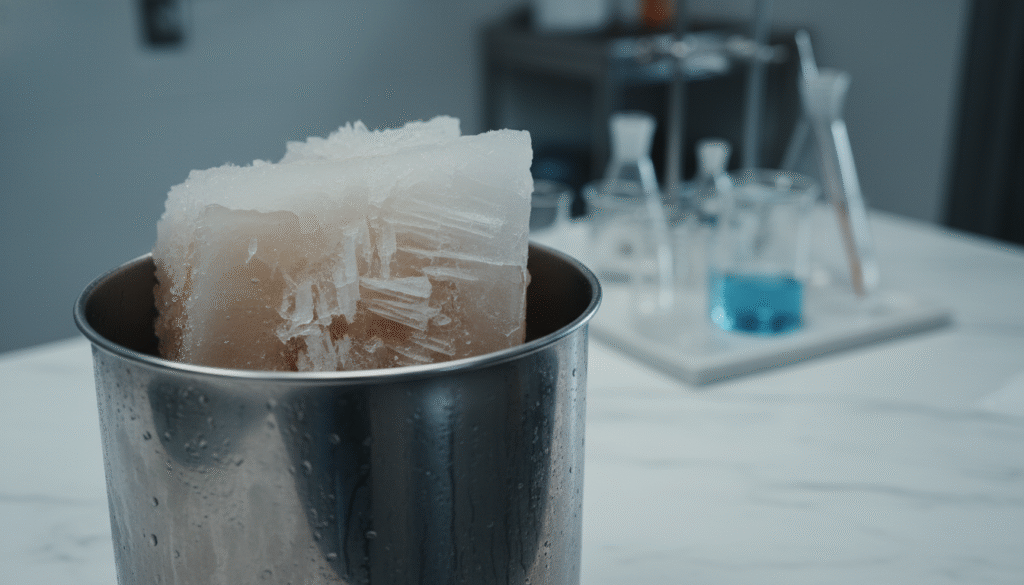
Maple producers often encounter various challenges with sap storage. Addressing common sap storage issues proactively ensures the highest quality syrup. Understanding these problems and knowing how to respond is crucial for a successful season. This section provides practical solutions for typical sap storage dilemmas.
Sap Freezing in Containers
Freezing maple sap is a common occurrence, particularly during the unpredictable temperature swings of early spring. Many maple producers worry if their frozen sap remains suitable for processing. Fortunately, properly managed frozen sap can still yield high-quality syrup. Understanding the correct steps for thawing is essential to preserve its integrity and prevent spoilage.
Is it Still Good? (Yes, if thawed properly)
Yes, frozen maple sap is generally still good. The freezing process naturally separates water from concentrated sugars. This can even slightly increase sugar content in the remaining liquid portion.
Thawing Safely
Thaw frozen sap gradually in a cool environment, such as a cold shed or refrigerator. Avoid using direct heat or leaving it in warm areas. Slow thawing prevents rapid bacterial growth and maintains sap quality.
Dealing with Cloudy Sap
Cloudy sap can signal potential problems that affect syrup quality. It’s crucial to identify the cause of cloudiness to determine if the sap is still usable. Timely action can prevent spoilage and save your harvest. Understanding the different reasons for cloudiness helps in making informed decisions.
Causes (Bacteria, Yeast, Niter)
Cloudiness typically stems from a few sources.
- Bacteria: Growth of microorganisms, often indicated by a sour smell.
- Yeast: Can cause fermentation, sometimes with a slight alcoholic odor.
- Niter: Also known as “sugar sand,” this is a natural precipitate that appears after boiling, but can sometimes be seen in sap.
When to Discard vs. Process
Discard sap that has a distinctly sour smell, visible mold, or a slimy texture. Slightly cloudy sap without off-odors, especially if caused by niter, might still be processed. Always prioritize safety and quality.
Limited Cold Storage Space Solutions
Many small-scale producers struggle with insufficient cold storage space for their collected maple sap. This challenge requires strategic planning to prevent spoilage, especially during warmer spells. Effective solutions focus on managing volume and processing frequency to optimize available resources.
Smaller Batches
Process your collected sap in smaller, more frequent batches. This approach significantly reduces the total volume needing storage at any given time. It also minimizes the duration sap spends waiting.
Boiling More Frequently
Increase your boiling frequency to reduce the accumulated sap volume quickly. This strategy is vital during peak sap runs when collection rates are high. It helps manage inventory without relying on extensive storage facilities.
Using Natural Outdoor Cold Effectively
Utilize natural outdoor cold temperatures whenever possible. Store sap in shaded areas, away from direct sunlight, to keep it cool. Ensure all containers are tightly sealed to protect against contaminants and maintain freshness.
Conclusion: Your Path to Delicious Homemade Maple Syrup
Making your own homemade maple syrup is a rewarding journey. It connects you directly with nature and offers a truly unique culinary experience. From tapping trees to boiling sap, each step contributes to a rich, golden reward.
You have learned the essential steps and considerations for producing your own delicious homemade maple syrup. This process, while requiring patience, culminates in a product far superior to store-bought alternatives. The satisfaction of pouring your own handcrafted syrup is immense.
We hope this guide inspires you to embark on your own maple syrup adventure. The taste of genuine homemade maple syrup, fresh from your efforts, is truly unparalleled. It’s an experience that brings both joy and a deeper appreciation for natural foods.
Now, we invite you to share your experiences. Have you made maple syrup before, or are you planning to start? Share your thoughts and tips in the comments below!



Add comment