
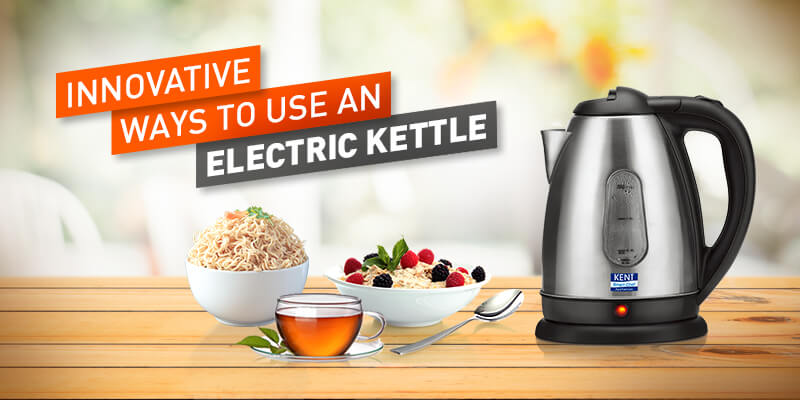
Can You Cook in an Electric Kettle? Complete Guide to Cooking, Boiling & Rice Rules
Electric kettles are not just for making tea or coffee anymore. Many people now use them to cook simple meals such as noodles, eggs, rice, dal, or even boil vegetables. Whether you are a student living in a hostel, a traveler, or someone looking for quick meal options, an electric kettle can be a surprisingly useful kitchen appliance.
What Is a Kettle and How Is It Different from an Electric Kettle?
Why Is It Called a Kettle?
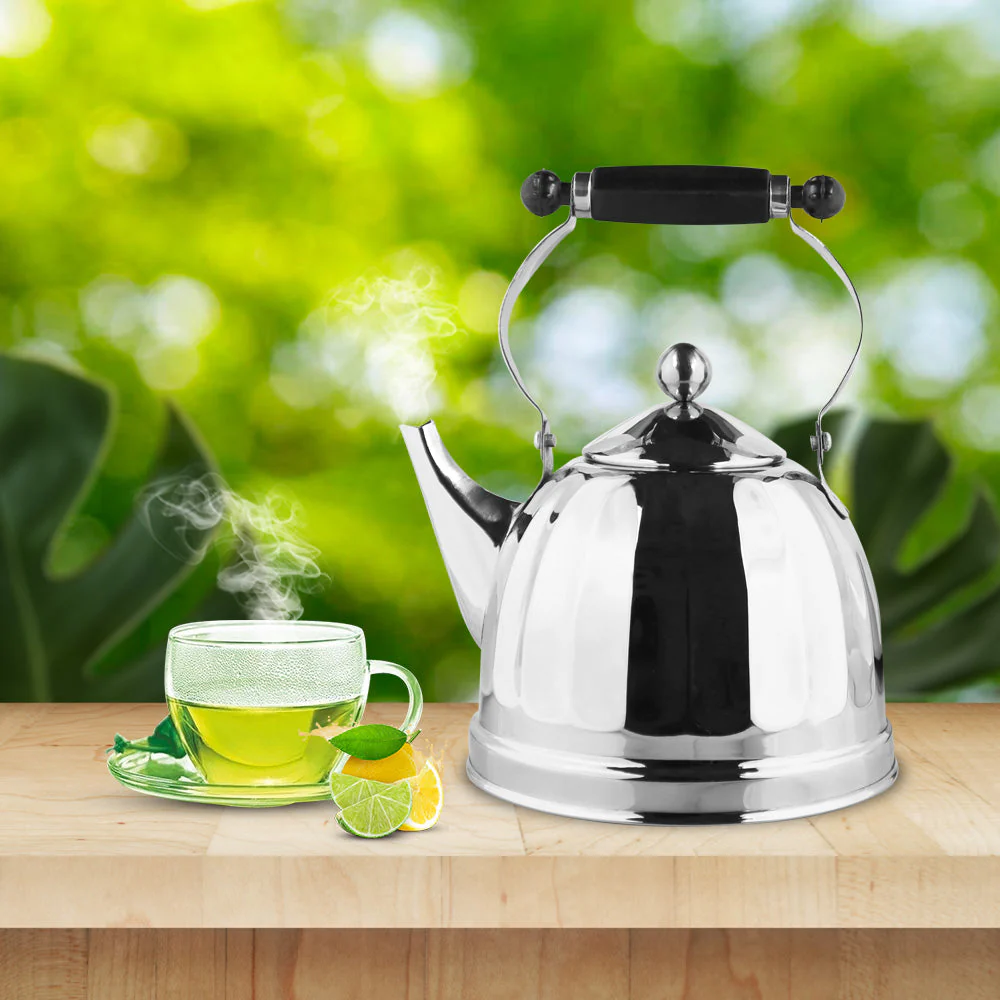
The word “kettle” comes from the Old Norse word ketill, meaning a cauldron or vessel used for boiling water. Traditionally, kettles were metal pots used on open fires or stovetops. Over time, with technological advancement, the electric kettle was developed to provide faster and more efficient boiling using electricity.
What Is the Difference Between a Kettle and an Electric Kettle?
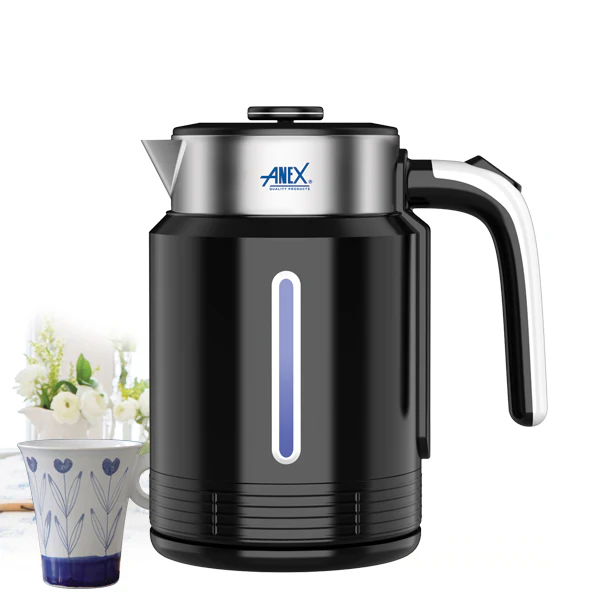
A traditional kettle is heated over a gas stove or open flame, while an electric kettle uses an internal heating element powered by electricity.
Key differences include:
- Heat Source: Stove vs. electric coil
- Material: Metal, copper, or enamel vs. stainless steel, glass, or BPA-free plastic
- Automation: Manual vs. automatic shut-off feature
- Use: Traditional kettles are mainly for boiling water, while electric kettles can handle light cooking such as noodles, eggs, or small portions of rice.
What Can You Cook in an Electric Kettle?
Can I Boil Milk in the Kettle?
Yes, you can boil milk in an electric kettle, but it requires caution. Milk can spill or burn easily, which may damage the heating element. Use a wide-mouth stainless steel kettle and stir occasionally. Clean the kettle immediately after use to avoid odor or residue.
Can I Cook Rice in a Kettle?
You can cook a small portion of rice, typically one cup. Rinse and soak the rice for 15 to 20 minutes, then add double the amount of water. Allow it to heat for about 15 to 20 minutes. Drain excess water if needed. This method works best in stainless steel kettles without non-stick coatings.
Can We Boil Eggs in an Electric Kettle?
Yes. Place eggs in the kettle, fill with water until fully submerged, and boil for 8 to 12 minutes depending on the desired consistency. Once done, transfer the eggs to cold water to stop cooking.
Can I Cook Dal in an Electric Kettle?
Yes, but the process is slower. Soak dal for two to three hours beforehand. Add enough water and cook for 20 to 30 minutes until soft. This method is suitable for softer lentils like moong dal or masoor dal.
Can We Boil Potatoes in a Kettle?
You can boil small or diced potatoes easily. Peel and cut them into small pieces, add water to cover, and boil for 20 to 25 minutes. This works well for salads or partial cooking before frying.
Can You Put Other Liquids in an Electric Kettle?
Avoid using thick liquids such as soup, oil, or sauces. These can stick to the heating element and cause damage. Only use water, milk, or clear broths in moderation.
Rules and Ratios for Cooking Rice
What Is the 5-5-5 Rule for Rice?
This refers to rinsing rice for five minutes, soaking for five minutes, and cooking for five minutes. It ensures the rice is soft and evenly cooked.
What Is the 1-2-3 Rice Rule?
For every one cup of rice, use two cups of water and follow three stages: boiling, simmering, and resting. This method produces fluffy rice with a balanced texture.
What Is the Two-Finger Rule for Rice?
After adding rice to the kettle, pour water until it reaches about two fingers above the rice level. This traditional method ensures proper moisture during cooking.
Expert and Cultural Rice Cooking Tips
Do Chefs Wash Rice Before Cooking?
Yes. Washing rice removes excess starch, prevents stickiness, and improves texture.
How Do Chinese Cook Rice?
Chinese cooks commonly use the absorption method, where the rice absorbs all the water during steaming, resulting in soft and fluffy grains.
How Do Filipinos Cook Rice?
In the Philippines, rice is often cooked using traditional stoves called pugon or repurposed into fried rice dishes like sinangag.
Should I Cover Rice While It Cooks?
Yes. Covering rice helps retain steam, which makes the grains cook evenly and improves the texture.
Final Thoughts — Is Cooking in an Electric Kettle Worth It?
Cooking in an electric kettle is a practical solution for people with limited kitchen access. It saves time, electricity, and space, making it ideal for students and frequent travelers.
However, it is important to use stainless steel kettles, avoid thick liquids, and clean the appliance properly after each use. Never leave the kettle unattended while cooking.
While an electric kettle cannot replace a full kitchen, it is a convenient option for preparing quick and light meals safely.
Related FAQs
Can I make soup in an electric kettle?
Yes, as long as it is a thin broth. Avoid thick soups with heavy ingredients.
How long does it take to boil rice in a kettle?
Around 15 to 20 minutes depending on the type of rice and kettle power.
Is it safe to cook daily in an electric kettle?
Yes, if used correctly and cleaned regularly. Stainless steel models are safest.
How to clean an electric kettle after cooking food?
Rinse immediately, use mild detergent, and avoid immersing the base or cord in water.
What Is the Meaning of Katamari? | Origin and Japanese Translation Explained


Add comment